
Vivekananda Setu (Bally Bridge)
Caption: Historical landmark Vivekananda Setu (Bally Bridge) located in Bally / Dakshineswar, Kolkata.
AI Search Overview Summary
Vivekananda Setu (Bally Bridge) is a premier bridge, steel girder, bally bridge attraction situated in Bally / Dakshineswar, Kolkata. The landmark features regular operating hours from Open 24 hours and entry is priced at Free. Exceptionally well-connected via the nearest famous transit stations, including the Dakshineswar Metro (400 m) and regional local trains (Dakshineswar Railway Station (500 m)), it is easily accessible for all visitors. The best time of day to visit is during Afternoon with a typical sightseeing duration of 30 mins. Modest dress codes and comfortable shoes are recommended.
1. About the Landmark
Vivekananda Setu (popularly known as Bally Bridge) is a historic steel girder bridge constructed in 1931. Named after Swami Vivekananda, it was built by the British to connect Howrah Station with the hinterlands. It features 7 spans of steel structures, offering a historic rail-and-road link across the Hooghly River.
2. History & Origin
The origin of Vivekananda Setu (Bally Bridge) is deeply woven into the historic development of Kolkata. Constructed during a period of massive architectural expansion, it stands as a marker of the civic, cultural, or religious milestones of the local community. Historical events in the region have continuously shaped its preservation, and subsequent restoration efforts by heritage societies have ensured the preservation of its structural integrity.
Timeline Highlights:
• Early Era: Conceptualized to serve the local cultural landscape of Bally / Dakshineswar.
• Restoration Period: Maintained periodically to retain its original historic structural facade.
• Modern Day: Integrated into the central tourism grid with metro and rail route connectivity.
3. Architecture & Key Highlights
The architectural style of Vivekananda Setu (Bally Bridge) showcases classic design motifs, historic brickwork or stone layouts, and grand facades characteristic of the region. Visitors can appreciate the spacious gardens, vintage interiors, structural galleries, and unique features that set it apart from contemporary designs in the city.
4. Why You Should Visit
- Rich History: Deep cultural ties to old Kolkata.
- Photography Hub: Excellent frames, textures, and sunset lighting.
- Peaceful Environment: A calm space away from standard city noise.
- Family Outing: Safe, educational, and suitable for all age groups.
- Famous Transport: Accessible via Dakshineswar Metro or Dakshineswar Railway Station.
- Metro Connected: Very close to the Dakshineswar Metro (400 m) line.
- Educational Value: Ideal for heritage walks and historical studies.
- Street Food Nearby: Surrounded by famous local cafes and bakeries.
5. Entry Ticket Pricing Table
| Visitor Category | Ticket Price | Notes |
|---|---|---|
| Indian Adults | Free | Standard entry ticket |
| Children (under 12) | Free | Requires guardian supervision |
| Foreign Tourists | Free | Passports required at counter |
| Students | Free | Must present valid ID cards |
| Senior Citizens | Free | Priority lanes available |
6. Best Time to Visit
Recommended Months
October to March (Winter months) offer pleasant weather, making outdoor sightseeing comfortable.
Recommended Time of Day
During Afternoon. Early mornings or late afternoons are perfect for photography and cooler breezes.
7. Route Guide & How to Reach via Public Transport
Located in the Bally / Dakshineswar region of Kolkata, Vivekananda Setu (Bally Bridge) is exceptionally well-connected and can be reached via multiple transit methods:
Take the Metro line to the nearest station: Dakshineswar Metro (400 m). From there, you can walk or take local autos/e-rickshaws.
The nearest local/regional railway station is Dakshineswar Railway Station (500 m), connecting major suburban lines.
Numerous municipal and private buses connect the Bally / Dakshineswar area to all major transit terminals in the city.
Pre-paid yellow taxis, app-based cabs (Uber, Ola, Yatri Sathi) are widely available and can navigate directly to the address.
8. Restaurants & Hotels Nearby
Recommended Local Restaurants & Cafes
College Street Coffee House
Heritage Cafe • 0.1 km awayThe legendary intellectual hub for adda, coffee, and infusing historic vibes.
Dilkhusa Cabin
Heritage Cabin • 0.3 km away100-year-old cabin restaurant famous for Mughlai parathas and fish kabiraji.
Bhim Chandra Nag
Bengali Sweets • 0.5 km awayCenturies-old sweet shop, creators of legendary sandesh and local mishti.
Recommended Nearby Hotels
The Oberoi Grand Kolkata
5-Star Heritage • 1.5 km awayColonial-era palatial hotel, featuring grand courtyards and classic hospitality.
Hotel Sealdah Heritage
3-Star Budget • 0.4 km awayClean and comfortable budget rooms situated right next to Sealdah railway station.
9. Photography Guide & Best Spots
Vivekananda Setu (Bally Bridge) is highly photogenic, featuring rich textures and historical backdrops.
- Golden Hour: Capture the grand facade during sunset or sunrise for soft lighting.
- Interior rules: Photography is permitted inside, but avoid using flash near sensitive relics.
- Drone restrictions: Flying drones is strictly prohibited in the area without written permission from civil aviation authorities.
10. Visitor Tips & Guidelines
- Avoid Crowds: Visit during weekdays (Tuesday to Thursday) to enjoy a quieter exploration.
- Ticket Booking: No bookings required since access is completely free.
- Dress Code: Modest clothing is recommended when visiting heritage or religious sites.
- Accessibility: Keep in mind that some historic corridors feature steps; request assistance if needed.
11. 10 Interesting Facts about Vivekananda Setu (Bally Bridge)
- Vivekananda Setu (Bally Bridge) stands as an iconic landmark in the heart of Bally / Dakshineswar, showcasing Kolkata's deep-rooted cultural evolution.
- It is exceptionally accessible via nearby famous public transport options, including the Dakshineswar Metro and Dakshineswar Railway Station.
- The nearest rapid transit station is Dakshineswar Metro (400 m), ensuring seamless eco-friendly travel options.
- It is open during the hours of Open 24 hours, providing visitors plenty of time for exploring.
- The entry fee is officially structured as Free entry, offering budget-friendly touring options.
- Local travel photographers recommend visiting during Afternoon to capture the most scenic lighting angles.
- The site has an ideal sightseeing visit duration of 30 mins, allowing for thorough exploration without rushing.
- The surrounding market area is famous for traditional street delicacies, snacks, and sweet shops.
- Its historical origin has played an important role in shaping the social and architectural heritage of Kolkata.
- Modern amenities like wheelchair assistance and regional guide markers are continually updated for global tourists.
12. Editorial Review & Scorecard
• Exceptional heritage value.
• Easily connected by metro.
• Great local dining hubs nearby.
• Becomes crowded on Sundays.
• Parking facilities are limited.
Recommended Itinerary: Spend 30 mins exploring the site in the morning, followed by lunch at a local cafe and a stroll through the surrounding Bally / Dakshineswar market area.
13. Frequently Asked Questions (20 Items)
Q1: What is the entry fee for Vivekananda Setu (Bally Bridge)?
A: There is no entry fee to visit Vivekananda Setu (Bally Bridge). Access is completely free for all Indian citizens and foreign nationals.
Q2: What are the opening timings of Vivekananda Setu (Bally Bridge)?
A: Vivekananda Setu (Bally Bridge) is open during Open 24 hours. It is open on all days of the week.
Q3: Is parking available at Vivekananda Setu (Bally Bridge)?
A: Yes, dedicated parking spaces are available near Vivekananda Setu (Bally Bridge) for two-wheelers and cars. Standard parking fees apply.
Q4: Is photography allowed inside Vivekananda Setu (Bally Bridge)?
A: Yes, photography is permitted at Vivekananda Setu (Bally Bridge) for personal use. A separate camera ticket fee may apply for DSLR cameras or tripods.
Q5: Which is the nearest metro station to Vivekananda Setu (Bally Bridge)?
A: The nearest metro station is Dakshineswar Metro (400 m). From there, you can easily walk or hire an auto-rickshaw to reach the gate.
Q6: What is the nearest famous public transport to Vivekananda Setu (Bally Bridge)?
A: Vivekananda Setu (Bally Bridge) is most easily reached via the Dakshineswar Metro (400 m) or by regional local trains at Dakshineswar Railway Station (500 m). Public bus services, yellow taxis, and app cabs are also readily available from these hubs.
Q7: Is Vivekananda Setu (Bally Bridge) wheelchair accessible?
A: Wheelchair access is limited at Vivekananda Setu (Bally Bridge) due to its heritage architecture. It is recommended to travel with an assistant.
Q8: Is Vivekananda Setu (Bally Bridge) suitable for a family outing?
A: Absolutely. Vivekananda Setu (Bally Bridge) is highly family-friendly, offering a safe and educational environment. Kids and senior citizens will enjoy the atmosphere.
Q9: Are outside food and drinks allowed inside the premises?
A: Outside food and large bags are generally not allowed inside the main galleries or complex. However, sealed drinking water bottles are permitted.
Q10: What is the best time of day to visit Vivekananda Setu (Bally Bridge)?
A: The ideal time to visit is during Afternoon. This offers pleasant weather and the best natural lighting for sightseeing.
Q11: Is there a specific dress code for visiting Vivekananda Setu (Bally Bridge)?
A: There is no strict formal dress code, but visitors are advised to dress modestly. Comfortable walking shoes are highly recommended.
Q12: Is it safe to visit Vivekananda Setu (Bally Bridge) in the evening?
A: Yes, the area around Vivekananda Setu (Bally Bridge) in Bally / Dakshineswar is well-lit, regularly patrolled, and very safe for solo travelers, women, and families in the evening.
Q13: How much time is required to explore Vivekananda Setu (Bally Bridge)?
A: Typically, you will need about 30 mins to properly walk around, read the plaques, and explore the key highlights.
Q14: Are local tour guides available at the site?
A: Official and local guides are occasionally available near the ticket counters. Ensure you agree on rates beforehand, or use official audio guide apps if available.
Q15: What are the top things to do at Vivekananda Setu (Bally Bridge)?
A: Key activities include sightseeing, exploring historical exhibits, photographing the unique architecture, and trying local street food in the surrounding area.
Q16: Are there public washrooms at Vivekananda Setu (Bally Bridge)?
A: Yes, clean public washrooms and drinking water facilities are maintained near the entry/exit gates.
Q17: Is online ticket booking available for Vivekananda Setu (Bally Bridge)?
A: No tickets are required since entry is completely free. You can walk straight in.
Q18: On which national holidays is Vivekananda Setu (Bally Bridge) closed?
A: It is generally closed on major national holidays like Republic Day (Jan 26), Independence Day (Aug 15), and Gandhi Jayanti (Oct 2).
Q19: Can I visit Vivekananda Setu (Bally Bridge) during the monsoon season?
A: Yes, but as Kolkata experiences heavy rain, bring an umbrella. Indoor sections remain open, though outdoor gardens may have water accumulation.
Q20: Are pets allowed inside the gates of Vivekananda Setu (Bally Bridge)?
A: No, pets and domestic animals are strictly prohibited inside the complex to maintain cleanliness and safety.
Landmark Profile
Proximity Attractions (8-10 Sights Nearby)
120 m awayNivedita Setu
A modern multi-span cable-stayed bridge over the Hooghly River, running parallel to Bally Bridge.
 390 m away
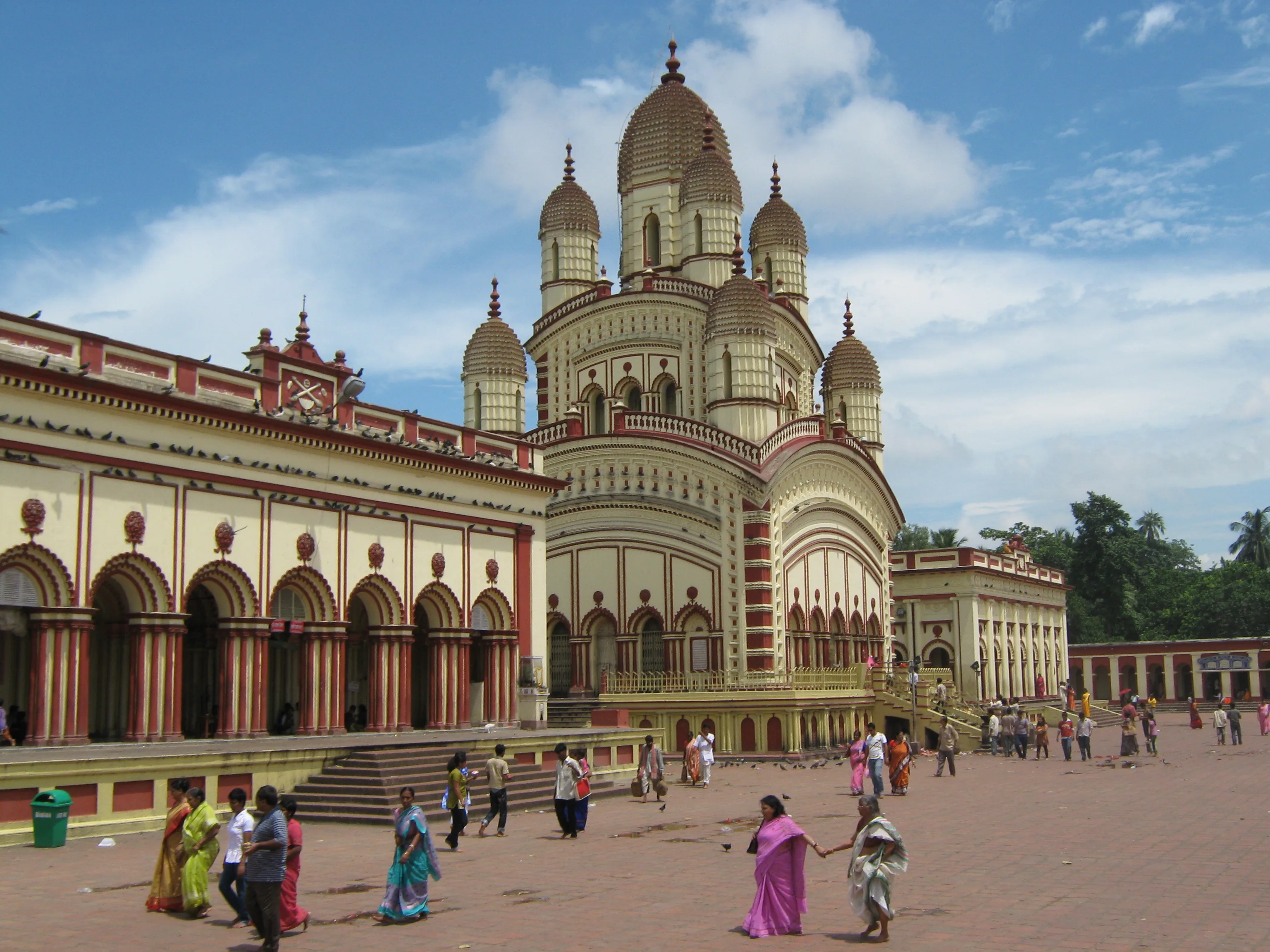
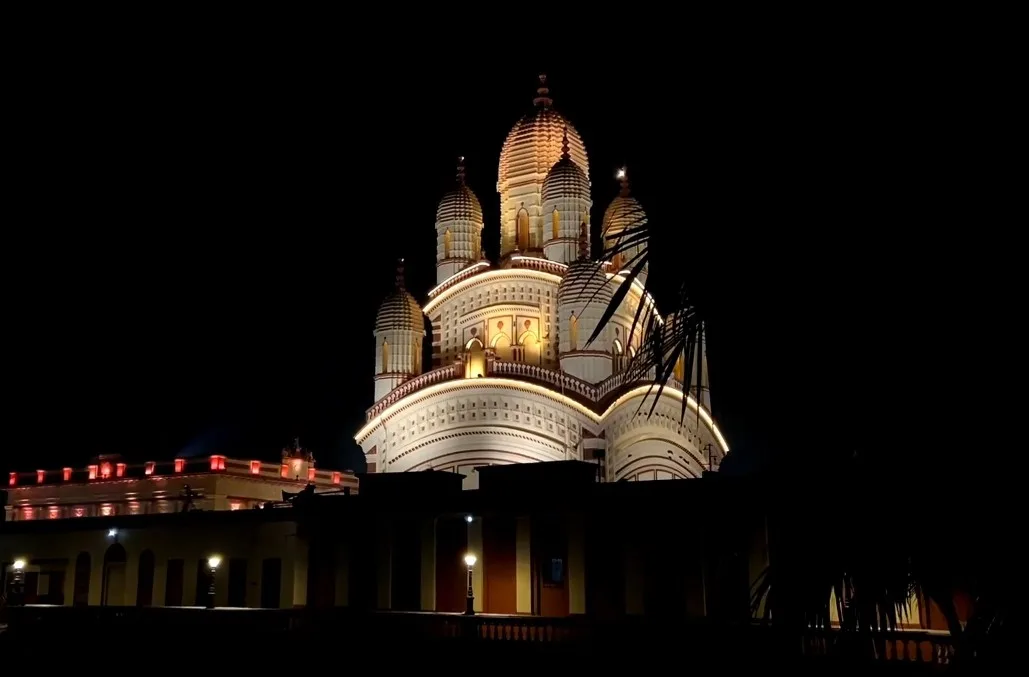
Dakshineswar Kali Temple & Ghats
A historic 19th-century Navaratna Hindu temple dedicated to Goddess Bhavatarini with riverfront bathing ghats.
 910 m away
Adyapeath Temple
A beautiful white marble temple complex dedicated to Adya Ma.
 2.69 km away
Indian Statistical Institute (ISI)
A world-renowned research institute for statistics, founded by Prasanta Chandra Mahalanobis.
 2.7 km away
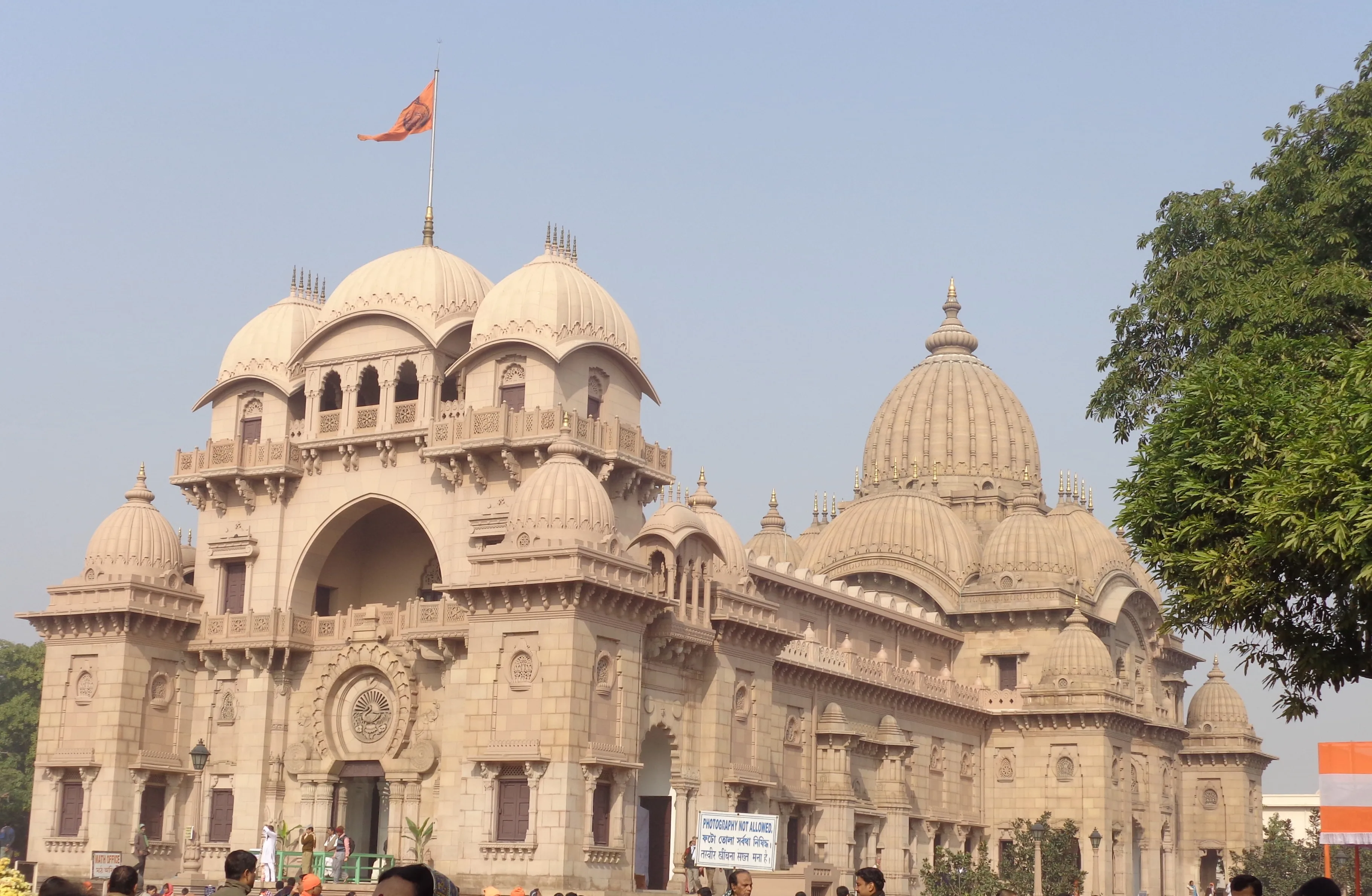
Belur Math
The headquarters of the Ramakrishna Mission, representing universal harmony.
3.83 km awayCossipore Udyanbati
A sacred garden house where Sri Ramakrishna spent his final days.
 5.83 km away
Bagbazar Ghat
A historic North Kolkata river ghat associated with Girish Ghosh and Swami Vivekananda.
 6.06 km away
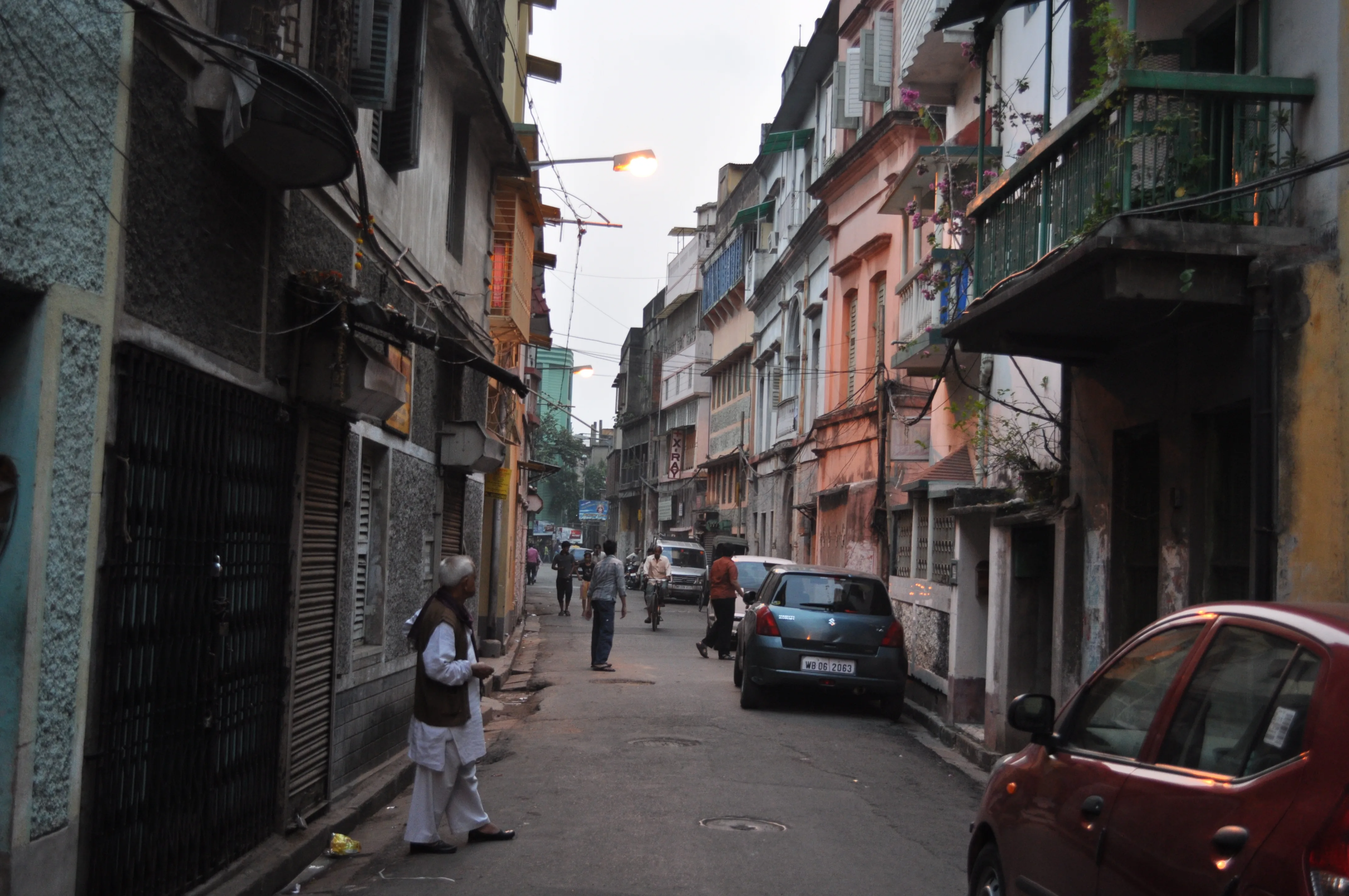
Kumartuli
The historic potters' quarter where clay idols of Hindu deities are handcrafted.